The post 2025 Horse Care Guide appeared first on The Chronicle of the Horse.
]]>
The post 2025 Horse Care Guide appeared first on The Chronicle of the Horse.
]]>The post Proactive Approach: Benefits of Slow-Release Electrolytes appeared first on The Chronicle of the Horse.
]]>Electrolytes are typically offered reactively after sweaty training or competition rides, especially in extreme temperatures, or after signs of dehydration, fatigue, or muscle cramping appear. By this time, however, electrolyte imbalances have likely already hindered athleticism and delayed recovery. Many owners do not realize how quickly electrolyte depletion occurs and how detrimental it can be to overall well-being.
Horses in consistent work, even light exercise in cool environments, require daily electrolyte supplementation to satisfy baseline requirements. Inadequate electrolyte balance can lead to subtle but serious hydration and muscle problems, both of which affect performance.
Electrolyte Imbalances: Subtle Signs
Signs of electrolyte imbalances are often subtle or misattributed to other issues. These signs include:
- Fatigue or lack of energy,
- Sluggish performance or slow recovery,
- Muscle tightness, cramps, or tremors,
- Reduced, patchy, or delayed sweating, including anhidrosis,
- Excessive thirst, dehydration, or poor water intake, and
- Tying-up, known also as exertional rhabdomyolysis.
Indications of electrolyte imbalances do not appear only in hardworking horses; they often show up in light to moderately exercised horses when electrolyte needs are unfulfilled. Daily electrolyte supplementation is one of the simplest ways to avoid deficiencies.
Daily Losses: More Than Just Sweat
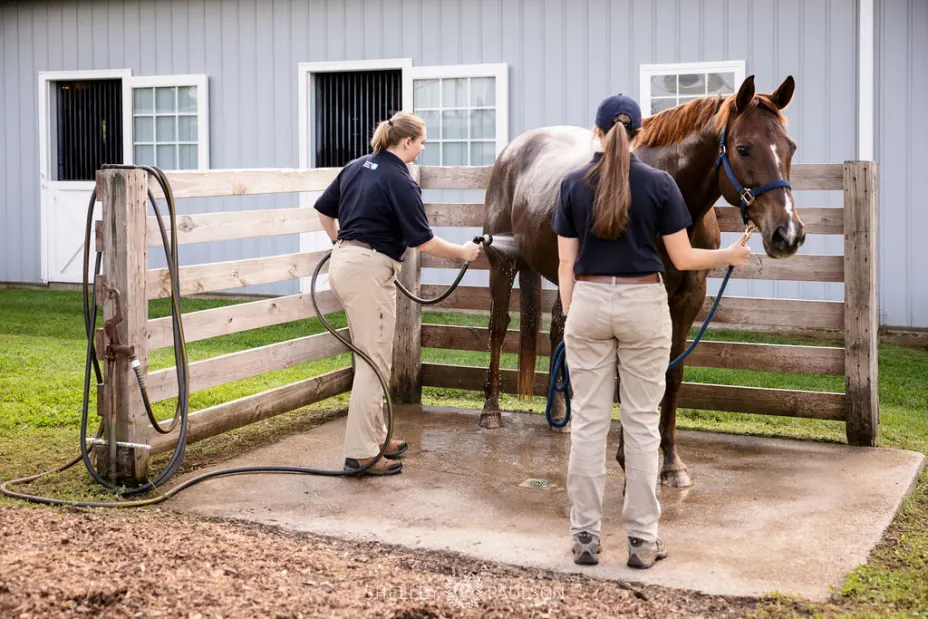
Electrolyte losses that occur through sweat are easy for horse owners to visualize, but electrolytes are also lost through less obvious routes: urination, defecation, respiration, and salivation.
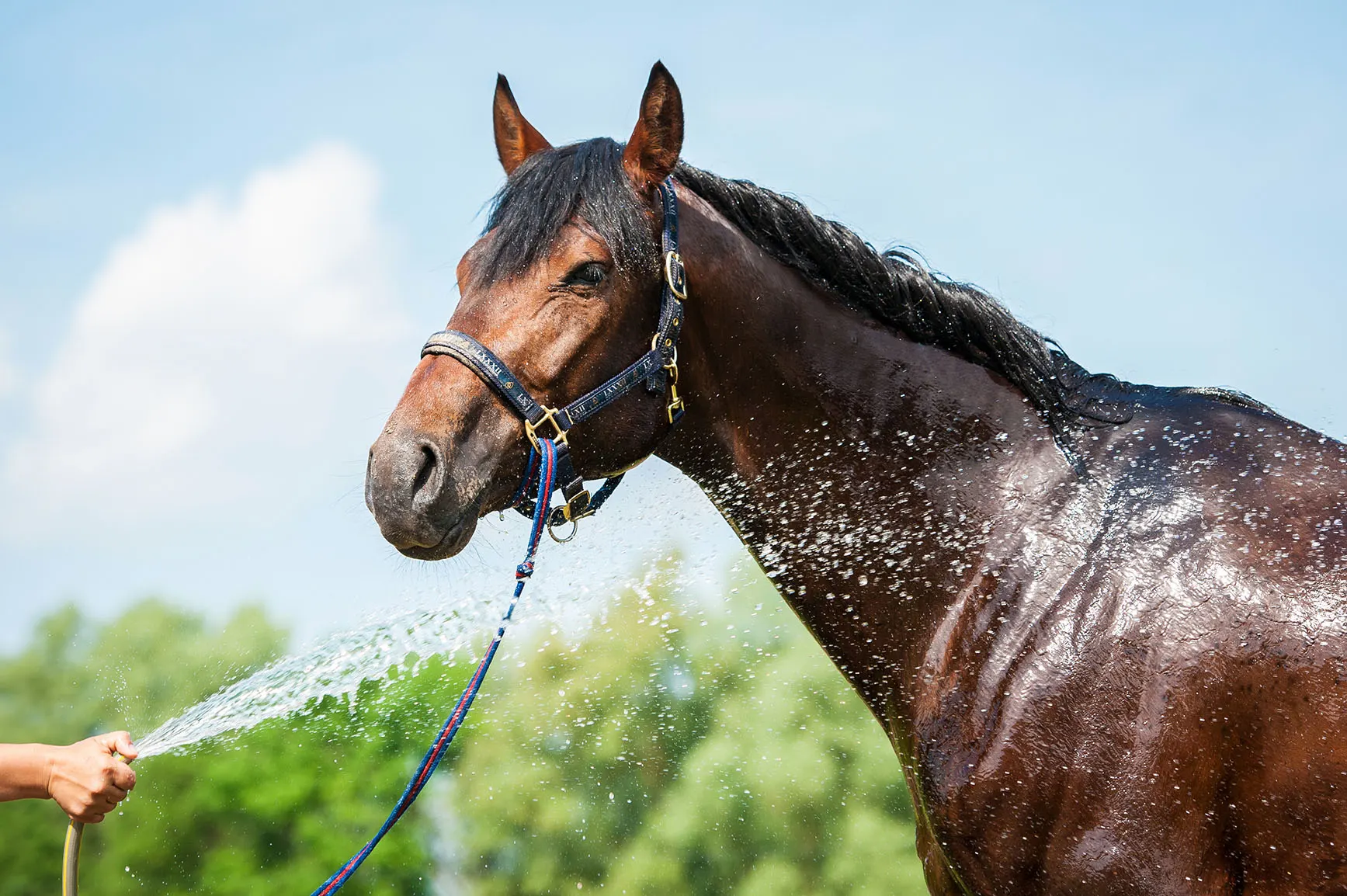
While the main goal of electrolyte replenishment with exercising horses is to replace significant losses from sweat, it is important to not depend on a horse’s sweat pattern to determine electrolyte loss. A sweat pattern refers to the amount of sweating that occurs in different areas of a horse’s body, which can vary between individuals and be influenced by factors such as temperature, humidity, points of contact with tack or other equipment, and disposition. High-strung or nervous horses will often have an increased sweat response to certain situations.
Supplementing by assessing sweat pattern may underestimate a horse’s actual electrolyte loss. Sweat evaporates quickly, especially during work and cooldown. Even exercise that leaves no visible sweat will increase electrolyte requirements due to shifts in fluid balance, muscle activity, and drinking or urination behavior. Just a few days of regular work without appropriate electrolyte replenishment can dull performance and slow recovery.
Sodium is Often Deficient
Sodium is the most critical electrolyte and is often the electrolyte most deficient in equine diets. In fact, 60-70% of horses are chronically deficient in sodium. Contrary to popular belief, voluntary intake from salt blocks is usually not enough to meet maintenance requirements for most horses. Regardless of workload, horses require a minimum of 1-2 oz (2-4 tablespoons) of plain salt (sodium chloride) daily just to replace basic sodium and chloride losses. Exercising horses lightly in moderate temperatures can increase requirements to 2-4 oz of salt per day.
Other Electrolytes Support Muscle Function

While salt makes up a significant portion of these losses, other electrolytes are also drained, including potassium, important for nerve and muscle function. Magnesium and calcium, vital for muscle contraction and relaxation, also diminish, but the amounts and ratios differ based on the type and duration of exercise. Prolonged low-intensity exercise (e.g., trail, endurance, ranch work) can increase magnesium and calcium losses. Potassium, magnesium, or calcium losses are more commonly associated with muscle fatigue, cramping, or spasms, and even tying-up.
General guidelines recommend using salt alone for horses at maintenance, but adding additional electrolytes even for light workloads, especially in hot or humid conditions. Consistently exercised horses (30-60 min/day) should consume both salt and additional electrolytes daily, gradually increasing as exercise intensity, heat, and humidity rise.
Advantage of Slow-Release Technology
Osmolality refers to the delicate balance between water and electrolytes in the body. In horses, an equal concentration of water and electrolytes, called an isotonic state, is favored.
Large or sudden intakes of electrolytes or water can disrupt this balance, upset the digestive system, and change electrolyte excretion and retention rates. When large amounts of electrolytes are consumed, concentration of electrolytes into the gastrointestinal system can spike rapidly, drawing water into it to dilute the solution. When this happens, dehydration and diarrhea often result.
Further, large amounts of electrolytes can irritate the sensitive gastrointestinal lining, increasing the risk of ulcers, aggravating established ulcers, and causing sudden spikes in blood electrolyte levels. This can overwhelm the absorption capacity of the intestine and trigger the kidneys to increase urinary excretion, leading to “electrolyte dumping,” a term for rapid excretion of electrolytes. Dumping wastes valuable electrolytes at times when they are needed most by horses.
Encapsulation technology allows for a slow release of electrolytes over several hours, matching the natural absorption rate to maximize utilization, prevent waste, and promote consistent hydration. This steady delivery:
- Prevents sharp fluctuations in blood electrolyte levels, reducing the risk of osmotic shifts that result in fluid imbalances and electrolyte dumping,
- Avoids overwhelming the digestive system or kidneys, diminishing the likelihood of digestive upset or overexcretion, and
- Enhances electrolyte absorption and retention, encouraging sustained hydration.

Compared to other electrolytes, a slow-release electrolyte offers a safer, physiologically optimal alternative. By gradually delivering electrolytes, the gut and bloodstream can consistently maintain proper electrolyte and fluid balance. This allows for sustained absorption of electrolytes, ensuring they are available for proper muscle metabolism and performance recovery.
Rather than reactively offering electrolytes after depletion, daily supplementation of slow-release electrolytes allows for a proactive approach to maintain hydration and electrolyte availability, especially during sustained work or variable environmental conditions.
Research Is Our Key Ingredient
Sign up for our biweekly newsletter and receive 10% off your first order. Be one of the first six to sign up and receive a personalized email and phone call from a Kentucky Equine Research nutrition advisor.
*Advertorial Content. The Chronicle of the Horse had no involvement in the creation of this content*
The post Proactive Approach: Benefits of Slow-Release Electrolytes appeared first on The Chronicle of the Horse.
]]>The post Travel-Ready Horses: How To Pack For Show Season Like A Pro appeared first on The Chronicle of the Horse.
]]>Protecting Your Horse’s Legs: Shipping Boots and Wraps
During transit, a horse’s legs are susceptible to injuries from sudden movements or shifts. Investing in quality shipping boots or wraps is essential. TuffRider 600 D Oxford Shipping Horse Boots offer full coverage, safeguarding from hoof to knee. Their durable construction ensures longevity and protection during long hauls. If your horses prefer wraps over boots, Lettia No-Bow Horse Wraps paired with Equi-Essentials Poly Standing Horse Leg Wraps, are ideal for providing cushioning and support, reducing the risk of swelling. When choosing between boots and wraps, consider your horse’s comfort and the duration of travel, and always double check to ensure a proper fit to prevent slippage or constriction.
Ensuring Safety: Trailer Ties
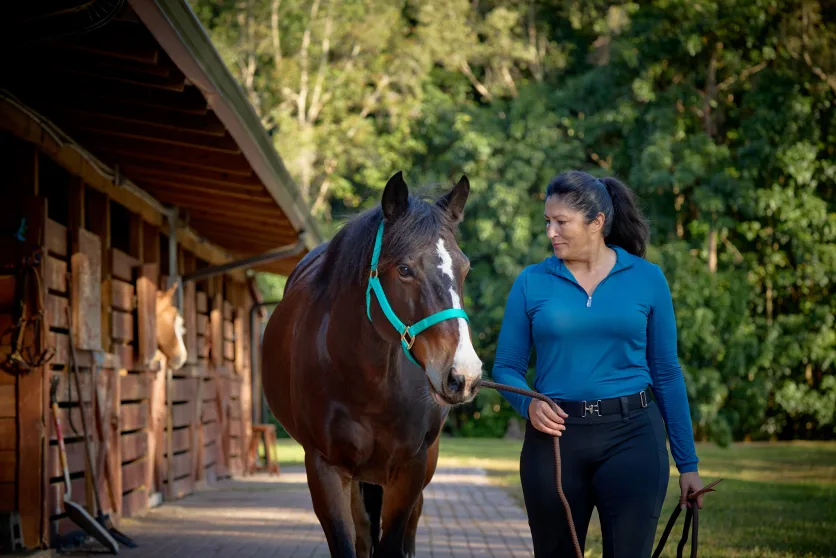
Securing your horse inside the trailer is crucial to prevent accidents. Opt for trailer ties that balance restraint with safety features like Equi-Essentials EQ Poly Padded Adjustable Horse Trailer Tie with Safe-T-Ties which offer automatic release after a specific amount of force. It’s important to regularly inspect ties for wear and replace them as needed to maintain safety standards and the best experience for your horses.
Comfort and Recovery: Therapeutic Wraps
Once you arrive, post-travel recovery is as vital as the journey itself. Therapeutic wraps can aid in reducing inflammation and promoting circulation. Use a wrap such as the Back on Track Royal Quick Wraps Deluxe which incorporates ceramic-infused fabric, reflecting body heat to soothe muscles and joints. Utilizing such wraps after travel can expedite recovery, ensuring your horse is show-ready upon arrival.
Treats: Keeping Spirits High
Travel can be stressful for everyone, especially your horses. Offering treats not only rewards good behavior but also provides a sense of normalcy during unusual circumstances. Bring something shelf stable on the road that is both palatable and nutritious such as Buckeye Nutrition All-Natural Apple Horse Treats or Standlee Forage Bites Alfalfa Anise Horse Treats which have the added benefit of being rich in fiber to support digestive health during travel. But don’t go overboard, always monitor treat intake to prevent overfeeding, especially during periods of limited activity.
Additional Tips for a Smooth Journey
Hydration: Ensure your horse has access to clean water before, during, and after travel; and pack along some electrolytes such as the Farnam Apple Elite Electrolyte Paste, which may be an easier format to administer on the road.
Ventilation: Proper airflow within the trailer prevents overheating and respiratory issues.
Rest Stops: For longer journeys, schedule regular breaks to allow your horse to rest and relax.
First Aid Kit: Always have a well-stocked kit on hand to address minor injuries or emergencies. For help packing your horse’s first aid kit, find a list and other resources on PetMD.
By meticulously preparing and considering your horse’s needs, you set the stage for a successful and enjoyable show season. And don’t forget about Chewy Equine for everything your horses need in or out of the season. The same company that delivers everything for cats, dogs and other pets also delivers everything for horses including feed, barn supplies, tack, and even medications and supplements delivered via Chewy Pharmacy.

BIO: Dr. Courtnee Morton, Chewy Equine Veterinarian
Dr. Courtnee Morton is a 2017 Ross University School of Veterinary Medicine graduate. Since graduation, she completed an equine internship and has been solely an equine practitioner. In 2021, Dr. Morton decided to follow her lifelong dream of starting her own mobile equine veterinary practice and loves being a Chewy Equine Veterinarian. In her free time, Dr. Morton enjoys hiking, kayaking, and spending time with her three dogs Sugar, Ellie, and Maverick. She has a love for her long-eared patients and hopes to someday have a whole herd of donkeys!
***This is advertorial content and was provided by a Chewy contributor. COTH staff had no involvement with the creation of this content***
The post Travel-Ready Horses: How To Pack For Show Season Like A Pro appeared first on The Chronicle of the Horse.
]]>The post 2025 Summer-Fall Competition Guide appeared first on The Chronicle of the Horse.
]]>
The post 2025 Summer-Fall Competition Guide appeared first on The Chronicle of the Horse.
]]>The post The Next Collection Auction Is Here appeared first on The Chronicle of the Horse.
]]>Following the exciting announcement of the upcoming Collection Auction, we’re thrilled to reveal that the official catalogue is now live
Running from May 31 to June 2, 2025, this exclusive online auction features 19 top-quality horses —including 3 hunters and 16 jumpers—ranging from talented young prospects to future Grand Prix contenders.
Here’s a glimpse of what’s on offer:
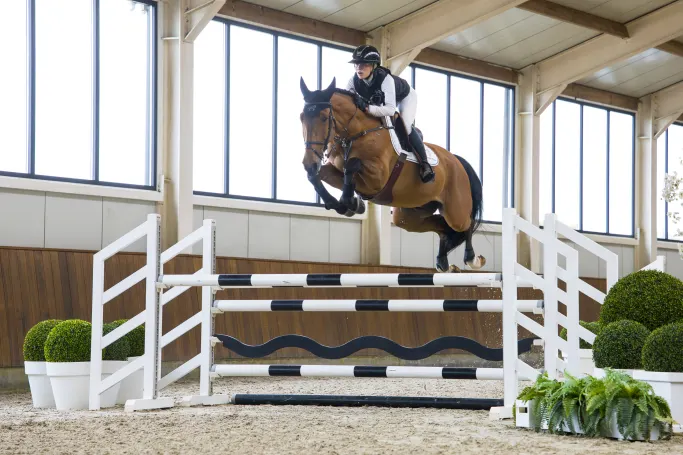
Thor MC – A 6-year-old gelding by Harley VDL, already making his mark with 7 clear rounds out of 8 at the Sunshine Tour. Scope, carefulness, and consistency—he checks every box for a future Grand Prix star.
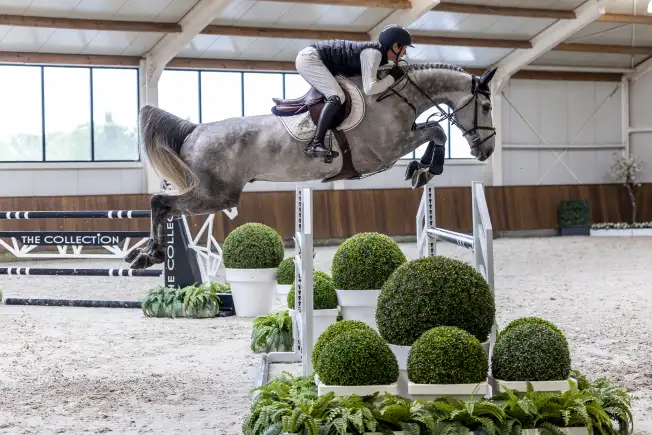
Jaguar de Vesquerie – A striking 6-year-old gelding by Mylord Carthago, with an impressive pedigree. His results show remarkable progress and undeniable quality, positioning him for future Grand Prix success.
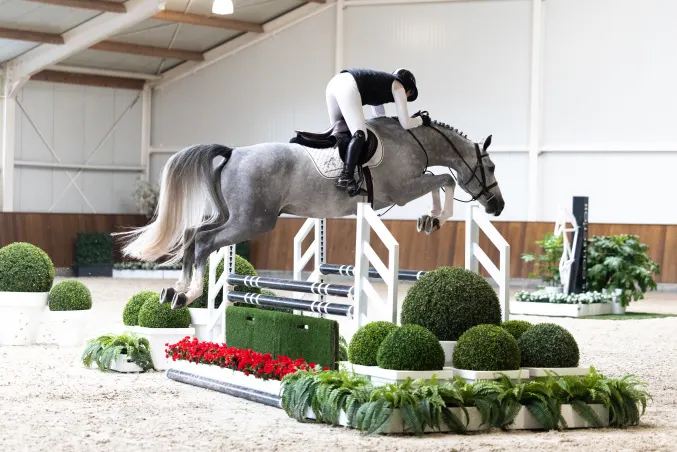
Placebo Di Villagana – A 5-year-old hunter standout, known for his flawless technique, movement and exceptional rideability. A serious contender for the top of the hunter ring.
You’ve had a preview… now dive into the full experience
Visit www.thecollection-auction.com/ to explore detailed pedigrees, videos, veterinary reports, and more. Register yourself and be ready to bid.
The countdown is on! don’t miss your chance to secure your future champion.
 Auction Dates: May 31-June 2, 2025

For more information, contact:
Carlos Pinto: +31 6 18206611
Willemijn Poels: +31 6 23227595
Steve Tinti: +32 4 83716027

***The Collection Auction created and provided this advertorial content***
The post The Next Collection Auction Is Here appeared first on The Chronicle of the Horse.
]]>The post 2025 Spring Dream Barn & Real Estate Guide appeared first on The Chronicle of the Horse.
]]>
The post 2025 Spring Dream Barn & Real Estate Guide appeared first on The Chronicle of the Horse.
]]>The post Achieve Top Performance With A Strategic Feed Assessment appeared first on The Chronicle of the Horse.
]]>Exchanges between nutrition advisors and horse owners often unfold over several days, as advisors ask for additional information from the horse owner, or seek advice from colleagues or veterinarians. This back-and-forth process requires time, but thoroughness is necessary for advisors to formulate a comprehensive response.
Nutrition advice never replaces veterinary consultation. Advisors encourage horse owners to address all health concerns with a veterinarian, preferably one already familiar with the horse and its management, and nutrition advice should be considered auxiliary. Think of a nutrition advisor as part of your horse’s wellness team.
The nutrition team at Kentucky Equine Research has come up with some tips to streamline the flow of information so you get the most out of your ration evaluation.
1. Provide an accurate weight, photos, and body condition score
Supply the most accurate weight possible for your horse. If you have access to a scale, that is best, but a correctly applied weight tape can provide an estimate. Make sure to indicate how you determined the horse’s weight.
Provide a body condition score and photos. There are many resources available online with information on how to assess your horse’s body condition. Provide current photos of your horse from the front, back, and sides.
Indicate whether you are satisfied with your horse’s current weight and condition or if you are seeking advice to achieve weight loss or gain.
2. Alert the nutrition team to any special needs or conditions
Indicate any special needs or disease conditions that have been diagnosed by a veterinarian and for which your horse is currently undergoing treatment.
Include all medications your horse is currently receiving as part of a treatment plan established by your veterinarian.
3. Clearly communicate usage and performance level
Common usage categories include mature and idle, performance horse, breeding stallion, broodmare, growing, and senior horse. If an aged horse is actively engaged in performance activities and not experiencing age-related health concerns, then it should be considered a performance horse.
For performance horses, the following chart will help you determine the most accurate level of activity based on the frequency of exercise or discipline. Nutrition advisors will balance the horse’s requirement for nutrients with its expected performance level.

4. Include an accurate assessment of pasture quality
Pasture can make a significant contribution to the horse’s diet. The quality and quantity of pasture should be considered and noted as accurately as possible.
The most common assessments are drylot or stalled (no grazing), sparse pasture (very little forage, or poor quality), moderate pasture (decent forage cover), and lush pasture. If you are unsure how to evaluate your pasture, more information can be found here.
5. Provide results from forage analysis
While not a requirement, having your hay analyzed is not as hard or expensive as you may think and can be extremely beneficial when evaluating special-needs diets. While values can vary between time of cutting and time of feeding, there are educational resources available that describe what to look for when testing future supplies. A nutrition advisor can help you interpret the results.
6. Supply detailed ration information
Be ready to upload photos of feed tags and supplement labels in addition to the forage analysis. If the nutrition advisors do not have to search for this information, it will expedite the ration evaluation.
When providing amounts of forage and concentrates fed, giving the weight is best. You can use a simple, inexpensive digital scale to do this, such as one used to weigh luggage. If supplements are supplied, indicate the daily serving amount of each.

7. Complete the picture
Provide any additional notes that you think our team needs to know. You can never offer too much detail.
The following are examples of additional details that can be helpful:
- Was anything in the current diet changed recently?
- Does your horse eat what is offered?
- Do you have any palatability concerns?
- Do you change your horse’s diet in response to the weather or season?
- Is there a specific change you would like to try or an area you would like to improve in your horse’s diet?
- Are you interested in simplifying the ration?
- What information are you most looking to gain from your ration evaluation?
By taking the time to gather accurate and detailed information, you can ensure that your performance horse’s ration evaluation is as effective and insightful as possible. A well-balanced diet plays a crucial role in your horse’s health, condition, and performance. The more precise the details you provide, the better the nutrition team can tailor their recommendations. With these tips in mind, you will be well-equipped to make informed decisions that support your horse’s success throughout the season and beyond.
Sign up for our biweekly newsletter and receive 10% off your first order. Be one of the first six to sign up and receive a personalized email and phone call from a Kentucky Equine Research nutrition advisor.
***This is advertorial content. This content has been provided by Kentucky Equine Research. COTH has no involvement with the creation of this content***
The post Achieve Top Performance With A Strategic Feed Assessment appeared first on The Chronicle of the Horse.
]]>The post 2025 Stallion Guide appeared first on The Chronicle of the Horse.
]]>
The post 2025 Stallion Guide appeared first on The Chronicle of the Horse.
]]>The post 2025 Spring Competition Guide appeared first on The Chronicle of the Horse.
]]>
The post 2025 Spring Competition Guide appeared first on The Chronicle of the Horse.
]]>The post Building Your Dream Life At TerraNova appeared first on The Chronicle of the Horse.
]]>TerraNova Equestrian Center stands as a beacon for those who cherish equestrian pursuits. Its state-of-the-art facilities and scenic setting provide an unparalleled environment for horse enthusiasts and outdoor adventurers alike.
Founded by the Herrig and Ketelboeter families, TerraNova blends purity of sport, harmony with nature, and commitment to excellence to serve visitors who hold their passion for horses close to their hearts. “Our vision for TerraNova originated as a place for riders of all levels to enjoy a world-class horse show experience in a relaxed atmosphere,” said Hannah Herrig-Ketelboeter, co-founder and Chief Marketing Officer. “The vision has evolved and expanded over time to create a place to live the ultimate equestrian lifestyle.”
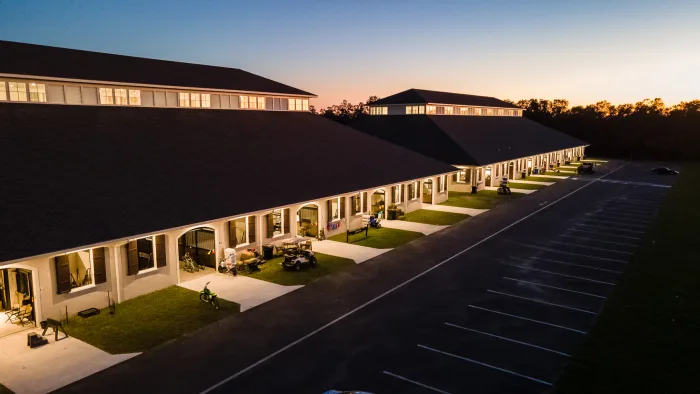
Over time, the equestrian venue has added more layers to achieve this vision. Adjacent to the sprawling venue is a unique equestrian community, The Estates at TerraNova, an exclusive enclave of sophisticated homes, blending comfort with opulence to create a tranquil sanctuary.
Complementing this serene outdoor lifestyle is Miakka Golf Club, a golfer’s retreat that promises both relaxation and challenge to its members with two miles of frontage along the Myakka River and hundreds of mature oak hammocks. This passion project for Chief Executive Officer, Steve Herrig, marries the ultimate golf experience with the breathtaking beauty of the local landscape.
Together, these properties offer a harmonious blend of peace and pleasure, an exceptional backdrop for a lifestyle rich in experiences and natural tranquility. And, located just three hours from both Wellington and Ocala, TerraNova is perfectly situated within Florida’s equestrian trifecta, poised as an ideal “home base” for competitors both seasonally and year-round.
Horses at the Heart
Opened in 2021, TerraNova Equestrian Center is a premier destination serving equestrians and equestrian enthusiasts from around the world. Home to an ever-growing calendar of competitions spanning dressage, three-day eventing, combined driving, hunters, jumpers, and equitation, the venue is bringing a boutique experience to international level events. Boasting state-of-the-art permanent stabling, six all-weather arenas with impeccable footing, footed horse paths, and an expanding cross-country course, the facility believes in putting the horse first.
“The experience is as important as the quality of what has been built,” said Molly Oakman, President at TerraNova Equestrian Center. “In the highly competitive Florida equestrian market, TerraNova is unique in providing a world class facility with high level competition and the beauty of nature and peacefulness of the area.”

With its park-like views and serene setting, TerraNova Equestrian Center has become a draw for riders to enjoy competition in a relaxed environment. “Green space and natural harmony have a significant impact on both horses and riders in a competitive environment,” said Director of Sport, Mike Belise. “The presence of these elements creates a peaceful and calming atmosphere, reducing stress levels for both horses and riders. This harmony fosters a positive mindset and enhances the overall experience, leading to improved performance and well-being.”
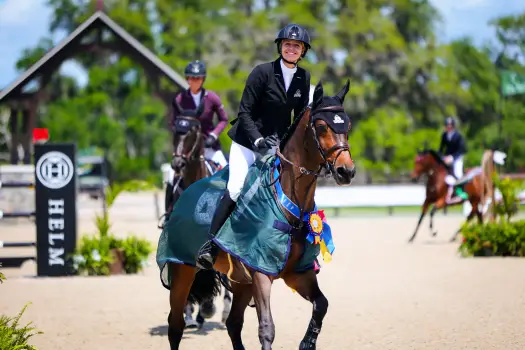
For international dressage competitor, Karen Lipp, the natural environment and horse-friendly atmosphere proved to be a winning combination for her and her horse, Infinity. In April 2024, the pair won their Grand Prix Freestyle in their CDI3* debut. “This is the prettiest place I’ve ever been,” Karen said after finishing her victory lap. “The thing I really love about it is it feels peaceful, and wildlife and horses like it instead of feeling like you’re encased in a stadium.”
A Community of Life and Love
For those who seek to plant their roots and nourish their passions at TerraNova, The Estates at TerraNova offers the opportunity to build dreams from the ground up. “The extension of The Estates is an opportunity for residents to take the TerraNova vision to a new level. It’s not just a great weekend at a horse show anymore, it’s a lifestyle,” Hannah explained. “The Estates at TerraNova project was inspired by the desire to build a like-minded community of equestrians, as well as expand on the concept of our three pillars to create a generational project that will highlight and preserve the area in a unique way.”

On its premium land, each lot in The Estates is configured to offer the utmost functionality whilst maintaining natural green spaces that put horses and humans at ease. Over 300 acres will be available for residents and boarders to enjoy a hike or horseback ride on manicured trails or more challenging riverside terrain.
Fronting properties on one side of the road are bridle paths that connect each lot, perfect for hacking. “Each property owner is required to plant oak trees every fifty feet along the road frontage,” Hannah said. “A single-rail fence made of sustainable Equisafe fencing will buffer the roadside, with the property owner fence behind the required oak trees.”
Carefully hand-selected, The Estates at TerraNova features custom builders who reinforce this vision through their prime craftsmanship. “It was important to us to offer a curated list of high-quality custom builders because we want the community to reflect the commitment to excellence that we have shown on the project to date,” Hannah said. “We also want each estate to be unique and reflect your personal style while complementing the community. We don’t want to be like other cookie-cutter neighborhoods going up all around us. You should be able to drive- or ride- through and enjoy the experience of appreciating different styles of architecture and well-maintained equestrian properties.”
In addition to its proximity to TerraNova Equestrian Center, The Estates at TerraNova offers top-tier benefits at the amenity center, including sport courts for tennis and pickleball, a gym with cutting-edge exercise equipment, and a resort-style pool, suited for those seeking a rejuvenating retreat to boost their health and wellbeing.
Farm ownership is made easy through community services such as manure removal, pasture management, and convenient deliveries by TerraNova Feed and Fence, a one-stop source for quality nutrition, shavings, and supplies.
Away From It All and Close to Everything
Due west of TerraNova Equestrian Center, Sarasota is situated on the “cultural coast,” boasting a rich history tied to circus arts, theater, and music. With Spanish and Italian influence, the architecture combines European inspiration with coastal beauty, highlighting top-rated beaches and the white, quartz sand of Siesta Key and Lido Beach.
Nearby is Lakewood Ranch, a census-designated community rated the top master-planned community for all-ages. This thriving village offers daily conveniences, social events, and a growing array of culinary cuisine. The Sarasota Polo Club, just fifteen minutes from TerraNova, pays homage to the decades of horse heritage in the area, combining equestrian enthusiasm with social entertainment.
“These days, we are constantly bombarded with the need and expectation to do everything all at once and have it done yesterday, but horses don’t work that way and no matter how much the world changes, they will never work that way,” Hannah said. “I think that’s why I am personally attracted to preserving the equestrian lifestyle. It forces you to live in the present moment and appreciate the journey of reaching a goal, not just the end result. I also believe the best way to experience nature is through the ears of a horse, and there is so much nature to explore on horseback at TerraNova.”
If you are interested in The Estates at TerraNova, please contact a representative from the Laughlin Tanner Group at Premier Sotheby’s International Realty at theestatesatterranova.com or call 941-213-0014.
*The Chronicle of the Horse had no connection in the production of this content*
The post Building Your Dream Life At TerraNova appeared first on The Chronicle of the Horse.
]]>